The inaugural edition of the Foundation’s Library Event series. The discussion centred on The Ghosts of June 12, a compilation examining Nigeria’s transition-to-civil-rule programmes under Generals Ibrahim Babangida and Sani Abacha between 1987 and 1998. The session included an author reading, moderated discussion, audience Q&A, and book signing.
Launch of the 2026 edition of the Integrity Icon campaign, in partnership with Accountability Lab Nigeria and the Independent Corrupt Practices and Other Related Offences Commission (ICPC). The campaign celebrates honest public servants who exemplify accountability in service to citizens and communities.
The Foundation convened the Joinbodi cohort to reflect on shared progress and address critical challenges facing the sector, including Nigeria’s evolving political landscape and shifting international geopolitics. Members examined emerging threats and opportunities, explored innovative approaches to collaboration, and co-created a framework for regular engagement.
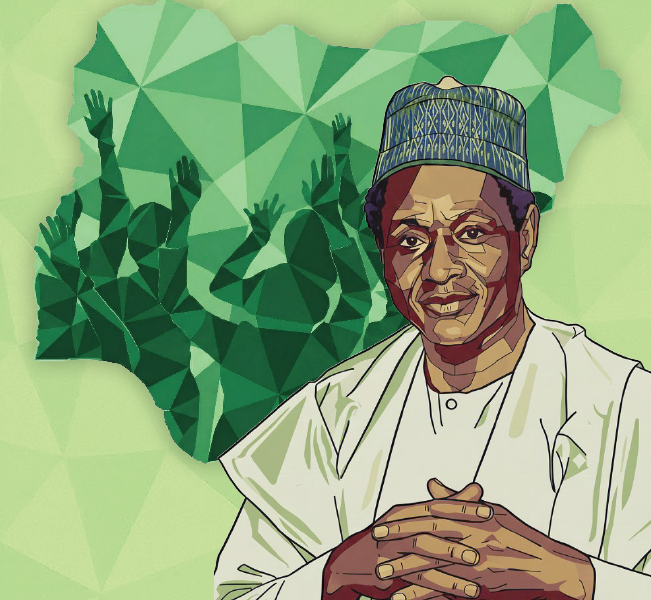
An event in commemoration of the 28th anniversary of the death of Shehu Musa Yar’Adua. This year’s commemoration features the public presentation of the civic anthology Letters to the Union We Hope to Become, which brings together voices of citizens reflecting on the state of the nation and articulating their hopes for the Nigeria envisioned by the late Shehu Musa Yar’Adua.
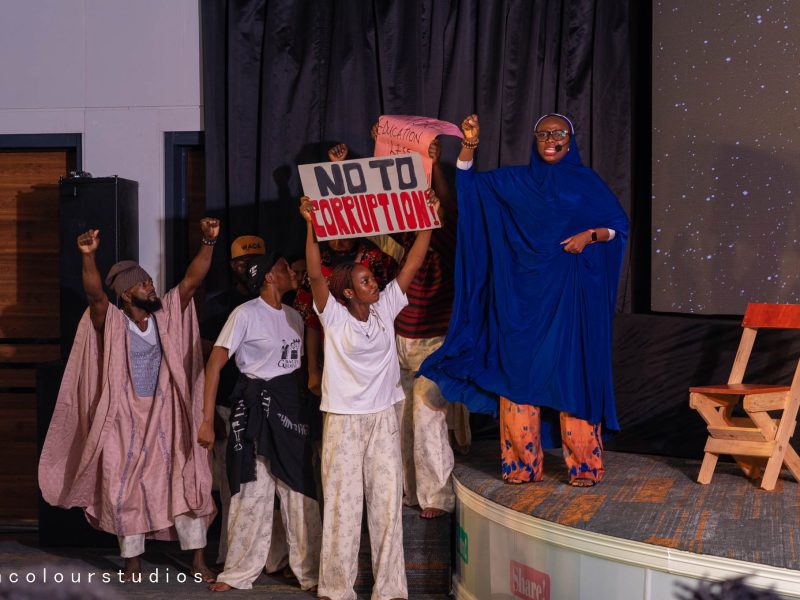
On November 5, 2025, the Shehu Musa Yar’Adua Foundation, with support from the Ford Foundation, hosted Still, We Rise: 65 Years of Becoming to commemorate Ford Foundation West Africa at 65. The soirée combined poetry, satire, and debate to reflect on Nigeria’s democratic journey, social justice, and Ford Foundation’s enduring contributions.
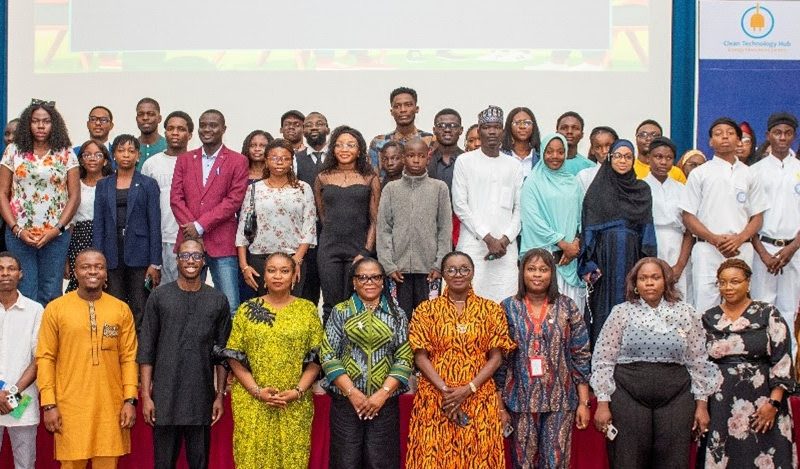
In partnership with Clean Technology Hub, the Foundation hosted a Climate Youth Summit on June 4, 2025, at the Shehu Musa Yar’Adua Centre. Held in celebration of World Environment Day, the event convened over 400 participants, including senior secondary school students, university undergraduates, and youth corps members, for a day of mentorship, innovation showcases, and expert-led sessions. The summit sought to build the capacity of young Nigerians to lead on climate action, offering practical tools, networks, and inspiration to launch green initiatives and explore careers in the climate and sustainability sectors.
In collaboration with the Africa Policy Research Institute (APRI) and with support from the Ford Foundation, the Yar’Adua Foundation hosted a youth workshop on Building Youth Capacity for Country Platforms and Climate Finance in Nigeria’s Energy Transition on April 28 – 29, 2025, at the Shehu Musa Yar’Adua Centre. The event explored the role of youth in Nigeria’s just energy transition, with sessions on climate finance, advocacy, and global experiences. It aimed to build knowledge, foster networks, and empower young Nigerians to engage meaningfully in national planning and climate governance. The workshop concluded with a co-created youth-led roadmap outlining key barriers, opportunities, and recommendations for stronger youth inclusion in Nigeria’s energy transition.
In anticipation of COP 29, the Yar’Adua Foundation, in collaboration with Green Energy Mission Africa, Africa Policy Research Institute (APRI), the Health of Mother Earth Foundation (HOMEF), and with support from the Ford Foundation, hosted the Pre-COP 29 Workshop for Nigerian Youth Delegates at the Yar’Adua Centre. This impactful event provided an invaluable opportunity for young Nigerian delegates preparing to attend COP 29, equipping them with essential knowledge of the climate ecosystem and strategies for effective engagement at COP. Keynote remarks from prominent voices, including Dr. Peter Tarfa, a member of the African Group of Negotiators, and Professor Magnus Onuoha from the Renewable Energy and Energy Efficiency Association Alliance, offered participants a deep dive into best practices and insights critical to navigating the complexities of COP negotiations. Engaging workshops also introduced participants to new initiatives like the Country Platform, aimed at broadening their understanding and shaping their perspectives as they approach COP 29. This workshop underscored the importance of youth engagement in climate action and their role in driving sustainable change on a global scale.
The Yar’Adua Foundation, in collaboration with the Health of Mother Earth Foundation and with support from the Ford Foundation, hosted a roundtable in Uyo, Akwa Ibom State. “Shaping an Inclusive Energy Transition in the Niger Delta”, brought together community leaders from across the Niger Delta, along with stakeholders from academia, civil society, and government. The roundtable highlighted the urgent need for an inclusive approach to Nigeria’s energy transition that centers on the needs and voices of impacted communities. Discussions delved into the Nigeria Energy Transition Plan (ETP) and its implications for extractive communities. Participants underscored the importance of integrating distributive, recognitional, procedural, and restorative justice in the transition process. Recommendations from the roundtable included creating a national platform to enhance local ownership of the ETP, establish strong community networks, and secure political commitment for renewable energy financing. Participants also stressed the need for Nigeria to prioritize restorative justice by addressing environmental damage and ensuring that communities impacted by fossil fuel extraction have a voice in the transition process. The Yar’Adua Foundation remains committed to fostering dialogue and advocating for policies that promote sustainable, inclusive development for Nigeria’s extractive regions.
The Foundation, in collaboration with the Health of Mother Earth Foundation, Nextier, and with support from the Ford Foundation, hosted a roundtable, “Maximizing Just Energy Transition Opportunities Through an Inclusive Platform”. The event convened stakeholders from sectors including energy, climate, agriculture, and civil society to explore Nigeria’s energy transition landscape and design a collaborative framework to achieve a fair and inclusive transition. Discussions emphasized the need for an inclusive national platform that integrates the voices of marginalized and extractive communities, recognizing that continued investments in fossil fuels risk locking Nigeria into dependence on non-renewable energy. Participants highlighted the importance of ensuring that Nigeria’s Energy Transition Plan (ETP) not only supports economic growth but also addresses environmental justice and minimizes harm to impacted communities. Key recommendations included establishing a phased approach to transition investments, prioritize renewable energy accessibility, and implement robust policies to reduce environmental damage from fossil fuels.
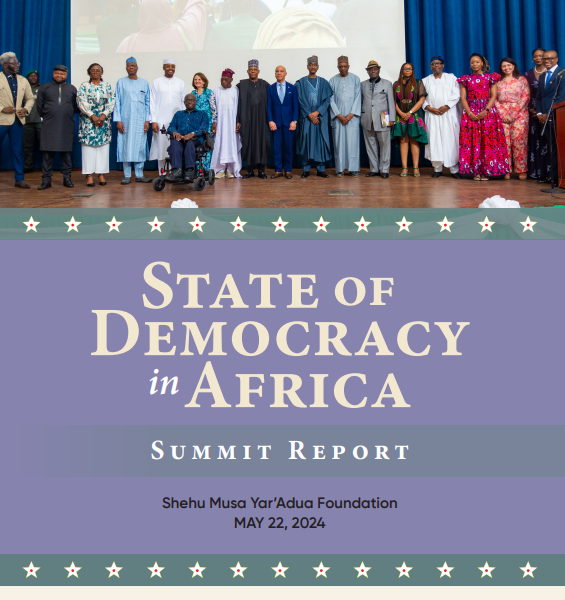
A continental summit convening leaders from across Africa to confront emergent democratic tensions and reaffirm a shared commitment to people-centred, accountable governance. Organised in partnership with the Olusegun Obasanjo Presidential Library, Ford Foundation, and TrustAfrica.
Twenty-eight (28) creatives convened from across Nigeria for a workshop, contributing to story ideas that would inform some of the video vignettes to be created under the Gender Justice programme. This activity was supported by the Australian High Commission.